

custom lighted mirrors
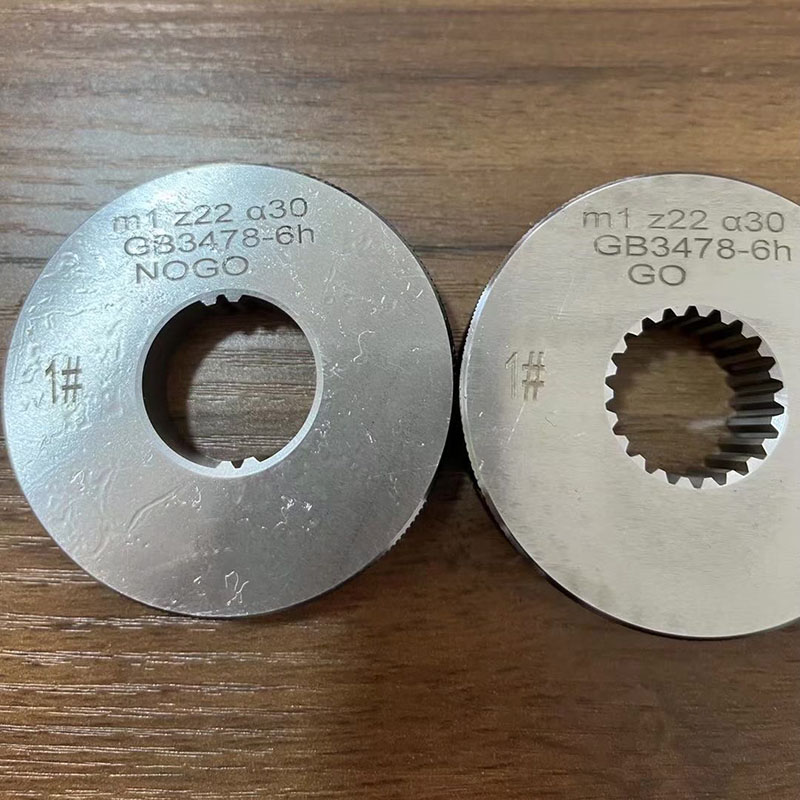
Understanding Thread Plug Gauge Suppliers A Guide to Quality Assurance in Manufacturing In the manufacturing industry, precision is paramount. One of the essential tools ensuring the integrity of threaded products is the thread plug gauge. As a critical dimensional inspection tool, thread plug gauges are designed to measure the size, pitch, and form of internal threads. Selecting the right supplier for these gauges is vital for maintaining quality assurance in your production processes. This article delves into the importance of thread plug gauges and how to choose reliable suppliers. The Importance of Thread Plug Gauges Thread plug gauges are used to verify whether a manufactured thread conforms to specified dimensions. They are crucial in industries where threaded components must meet stringent specifications, such as automotive, aerospace, and machinery manufacturing. The main purpose of these gauges is to ensure that threads can accept corresponding components, which is essential for safety and functionality in mechanical assemblies. By using thread plug gauges, manufacturers can detect defects in threaded holes, such as misalignment or incorrect pitch, before the products are assembled or shipped. This proactive approach to quality control helps reduce rework and scrap rates, ultimately saving time and resources. Moreover, consistent use of high-quality thread gauges leads to increased customer satisfaction, as it ensures reliable performance of threaded products. Selecting Thread Plug Gauge Suppliers When searching for thread plug gauge suppliers, several factors should be considered to ensure that you partner with a reliable company that meets your quality needs . 1. Reputation and Experience Look for suppliers with a solid reputation in the industry. Established companies often have years of experience and a proven track record of producing high-quality measurement tools. Seek testimonials or reviews from other manufacturers to gauge their reliability. thread plug gauge suppliers 2. Product Range and Customization Different applications may require specific types of thread gauges. A good supplier should offer a wide range of thread plug gauges, including standard sizes and specialty gauges for unique applications. Additionally, the ability to customize gauges based on your specific requirements can be a significant advantage. 3. Precision and Calibration The primary function of a thread plug gauge is precision measurement. Suppliers should provide gauges that meet industry standards such as ANSI, ISO, or ASME. Furthermore, inquire about the calibration processes they have in place to ensure accuracy over time. 4. Material Quality The longevity and durability of thread plug gauges heavily depend on the materials used in their construction. Opt for suppliers that use high-quality materials such as hardened steel, which prevents wear and tear, ensuring long-term reliability. 5. Technical Support and Service A supplier that offers excellent technical support can be invaluable. Whether you need assistance with gauge selection, calibration services, or maintenance tips, having a knowledgeable point of contact can make a significant difference. 6. Pricing and Lead Times While cost should not be the only factor in your decision, it is important to find a supplier that offers competitive pricing without compromising quality. Additionally, consider the lead times for delivery, especially if your production schedule is tight. Conclusion In summary, thread plug gauges play an indispensable role in ensuring the accuracy and reliability of threaded products in manufacturing. When selecting a supplier, it is crucial to consider their reputation, product range, precision, material quality, technical support, and pricing. By partnering with a trusted supplier, manufacturers can enhance their quality control processes, reduce errors, and, ultimately, achieve greater customer satisfaction. Quality assurance begins with the right tools, making the choice of thread plug gauge suppliers a critical decision in the manufacturing landscape.
about
custom lighted mirrors
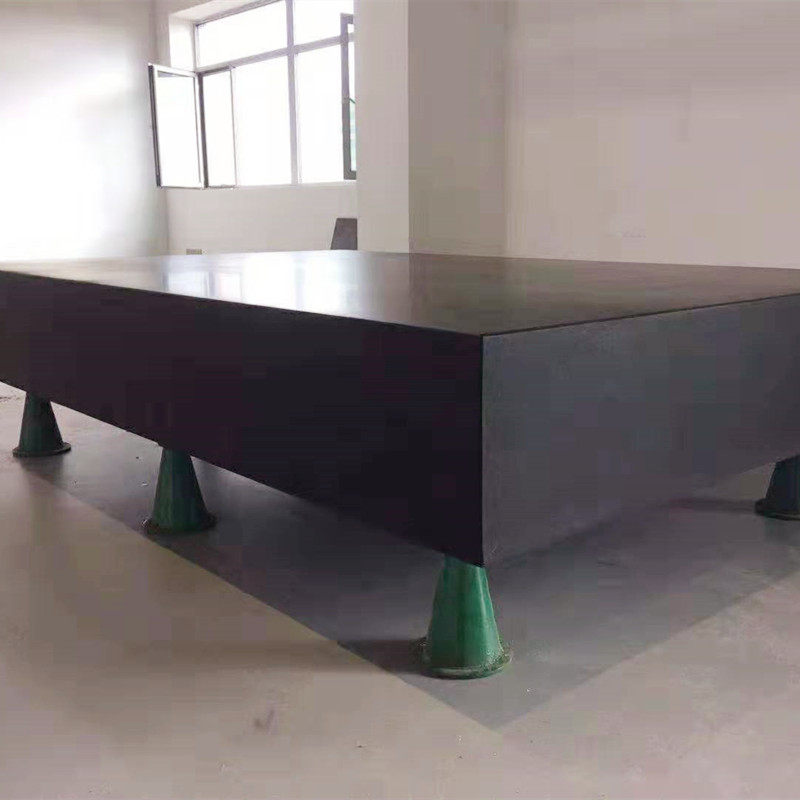
The Importance of Cast Iron Inspection Surface Plates in Quality Control In the realm of manufacturing and precision engineering, quality control is paramount. An essential tool in this process is the cast iron inspection surface plate. Used extensively in various industries, these plates provide a stable and precise reference point for measuring components and ensuring they meet the required specifications. Understanding cast iron inspection surface plates, their characteristics, and their applications can greatly enhance quality assurance processes. What Is a Cast Iron Inspection Surface Plate? A cast iron inspection surface plate is a flat, heavy object made from cast iron, designed with a high degree of accuracy. These plates are typically machined to a smooth surface, allowing for precise measurements of parts and assemblies. The primary purpose of these plates is to serve as a reference plane for various inspection tasks, such as layout, measuring, and checking the alignment of manufactured components. Characteristics of Cast Iron Surface Plates One of the key characteristics of cast iron is its ability to absorb vibration, which contributes to its effectiveness as an inspection tool. This property ensures that measurements taken on the plate are stable and not affected by external disturbances. Furthermore, cast iron surface plates are known for their durability and resistance to wear. This longevity is particularly beneficial in industrial settings where heavy components are frequently handled. Another important feature is the thermal stability of cast iron. Temperature fluctuations can cause materials to expand or contract, potentially leading to inaccuracies in measurements. However, cast iron plates maintain their dimensional integrity across a range of temperatures, ensuring consistent performance in different operating conditions. Applications of Cast Iron Inspection Surface Plates Cast iron inspection surface plates are used in a myriad of applications within manufacturing, machining, and assembly facilities . They play a crucial role in tasks such as cast iron inspection surface plate 1. Quality Assurance Inspection surface plates are fundamental for measuring the dimensions of machined parts and ensuring they adhere to design specifications. This step is vital for maintaining product quality and ensuring that components fit together correctly. 2. Layout Inspection Engineers and machinists use these plates to layout parts for further machining. By providing a flat reference, they can mark out features with accuracy, ensuring that subsequent operations are performed correctly. 3. Calibration of Measuring Instruments Calibration of various measuring tools, such as calipers and micrometers, is critical for maintaining the precision of measurements. Cast iron surface plates provide a reliable standard for this calibration process. 4. Assembly and Alignment When assembling large structures or machines, accuracy is vital. Cast iron plates help in aligning components accurately, ensuring the assembled product functions as intended. Maintenance of Cast Iron Surface Plates Proper maintenance is essential to ensure the longevity and accuracy of inspection surface plates. Regular cleaning and inspection for damage or wear are necessary practices. It is advisable to keep the surface free of any debris or foreign particles that could affect measurement accuracy. Additionally, using appropriate storage methods, such as covering the plate to prevent dust accumulation, can help maintain its condition. If wear occurs over time, some plates can be resurfaced to restore their flatness and accuracy. However, this process should be carried out by skilled professionals, as improper resurfacing can lead to further inaccuracies. Conclusion In conclusion, cast iron inspection surface plates are invaluable tools in the realm of quality control and assurance. Their unique properties, coupled with their diverse applications, make them an integral part of manufacturing processes. By providing stable, durable, and accurate reference surfaces, they play a crucial role in ensuring that products meet stringent quality standards. As industries continue to prioritize precision and accuracy, the significance of these plates will only grow, marking them as essential components in the toolkit of quality assurance professionals. Investing in quality inspection surface plates is an investment in the overall quality of the manufacturing process, leading to greater efficiency and customer satisfaction.
-

High quality industrial productsagement

High quality industrial products
View Details -

Meet the diverse needs of customers

Meet the diverse needs of customers
View Details -

Strict quality control

Strict quality control
View Details -

Top raw materials

Top raw materials
View Details -

Trusted supplier

Trusted supplier
View Details
Our application

news and information

Wood Frame Truss Nail Plate Solutions _ High-Quality Structural Components
Understanding Wood Frame Truss Nail Plates Wood frame construction is a prevalent method in building
Y Type Strainer Applications and Benefits for Efficient Fluid Management
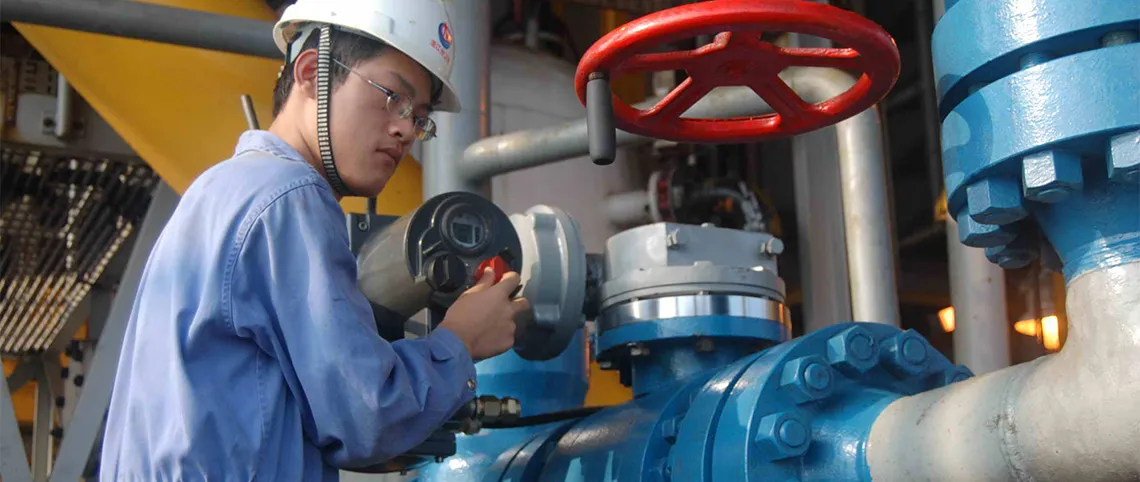
The Importance of Y-Type Strainers in Industrial Applications Y-type strainers play a crucial role i
Welding Fabrication Services _ Precision Welding & Custom Fabrication
Understanding Welding and Fabrication A Comprehensive Overview Welding and fabrication are critical
 English